A Kyo-machiya
since 1896.
The documented story of Meiji 1896 begins in Meiji 29 — 1896 — with the earliest known record of the house.
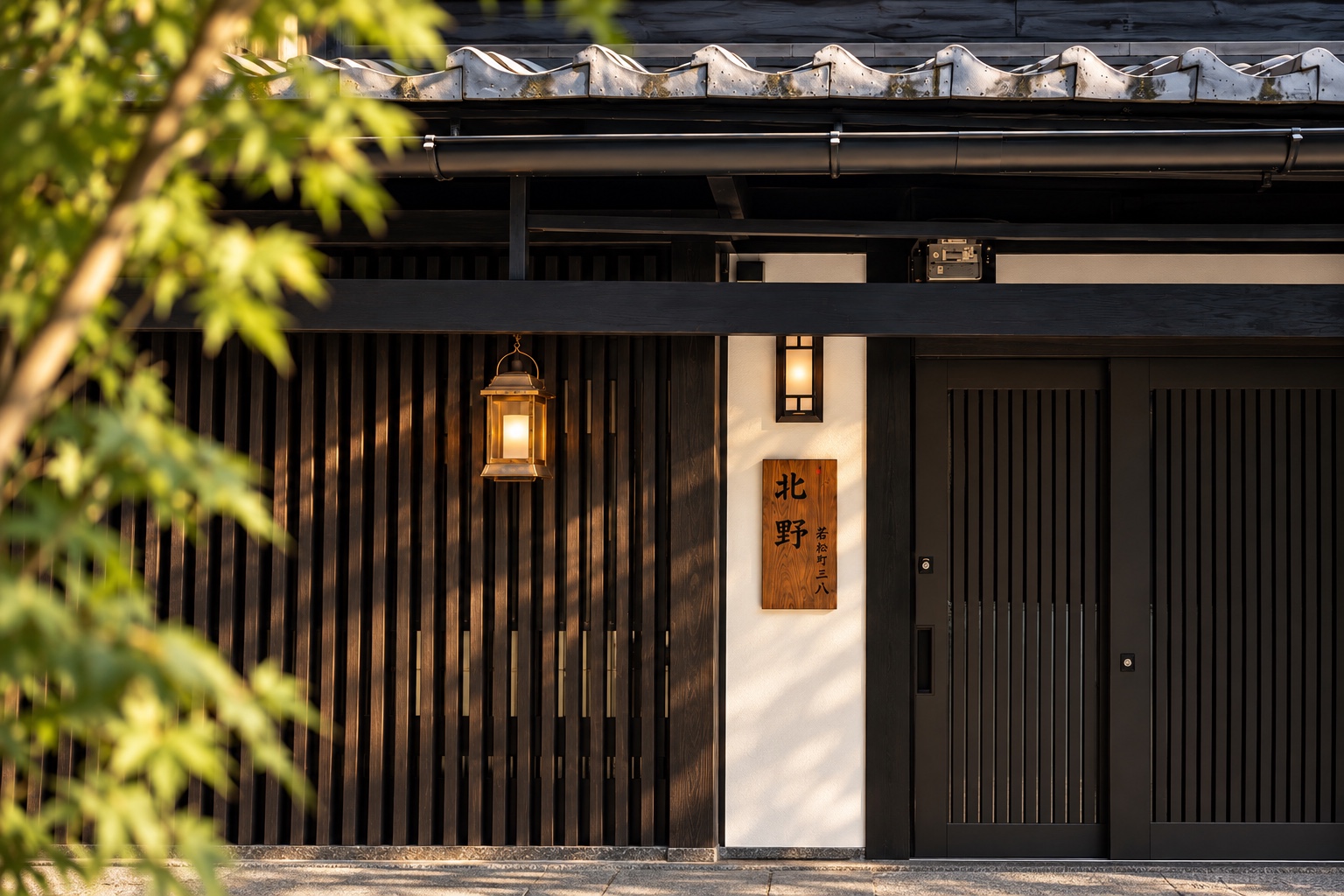
Time passed.
The house remained.
At the time, Nishijin lived to the rhythm of its looms. In its streets, generations of artisans created some of Kyoto’s finest textiles, destined for kimono, obi and the Imperial Court.
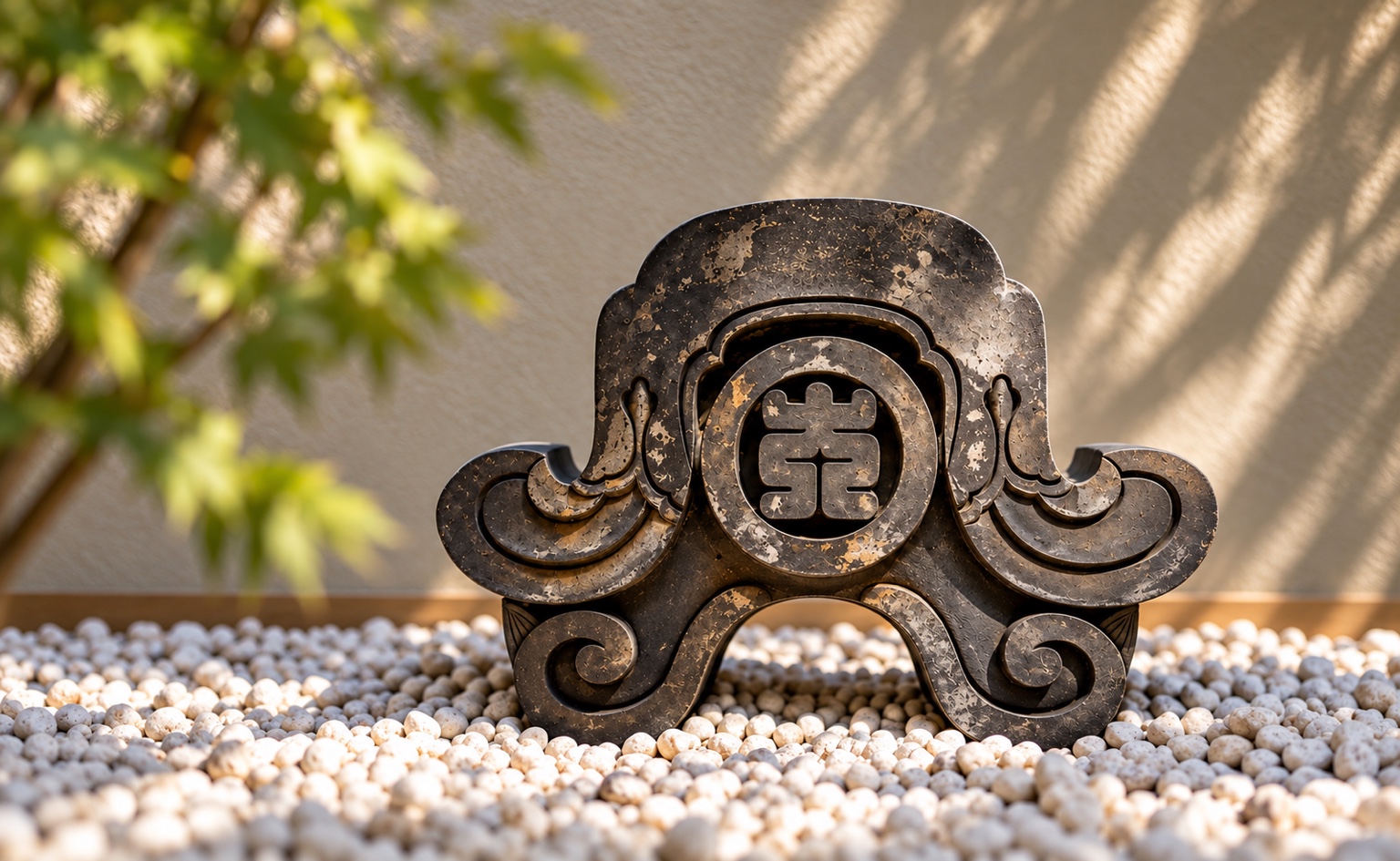
We can imagine the family who once lived in these rooms, in a Nishijin shaped by silk and looms, where generations of artisans created some of Kyoto’s most exquisite textiles. Footsteps on the timber floors, doors opening onto the neighborhood, conversations beside the garden. That life passed. The house remained.
its timbers remain part of the life of the neighborhood.
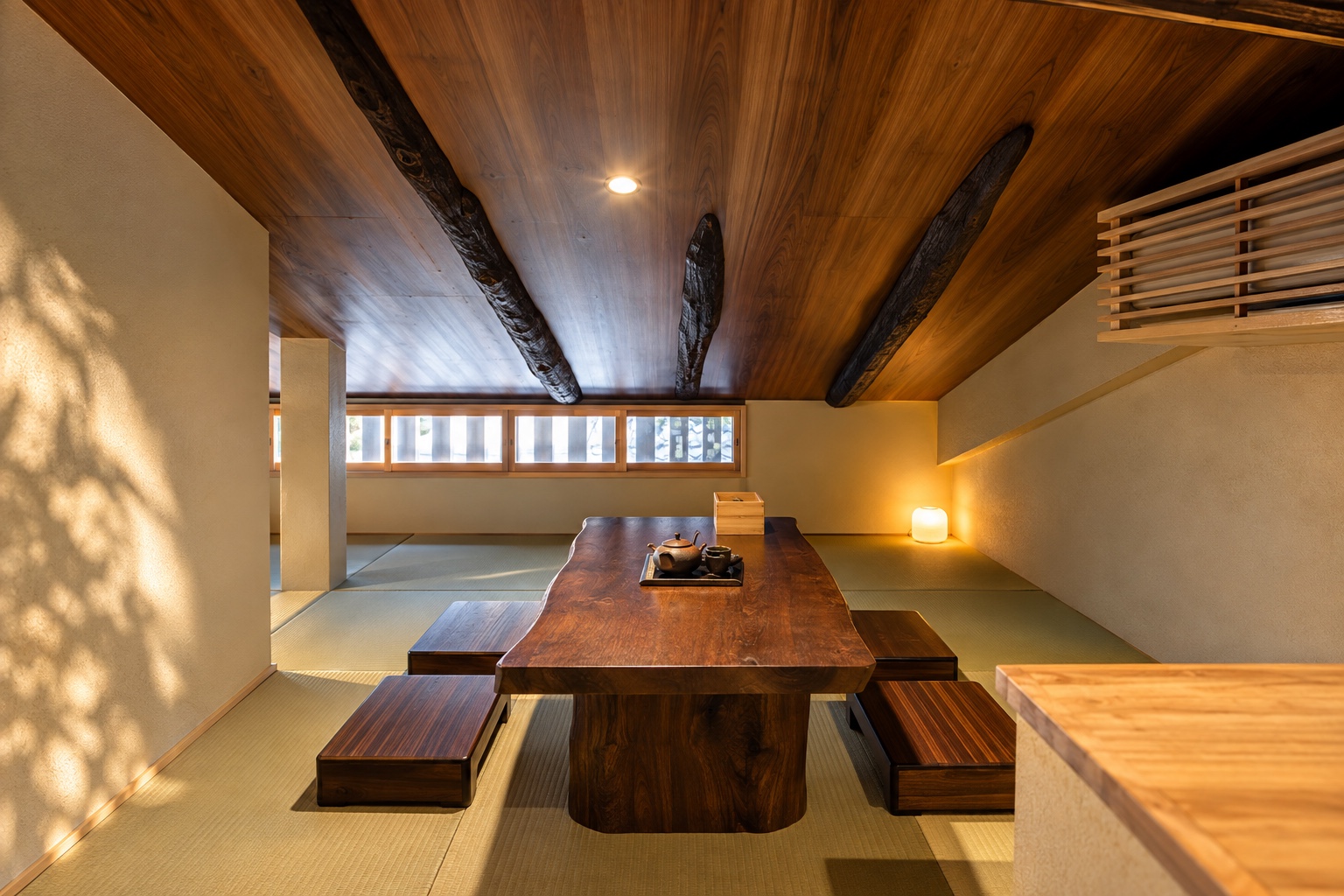
Today, carefully restored with respect for its character, Meiji 1896 preserves the spirit of an authentic machiya and offers a different way to discover the city: experiencing Kyoto from within.